Winter Driving in the Vail Valley: Colorado's Traction Law, Vail Pass and Getting Around This Ski Season
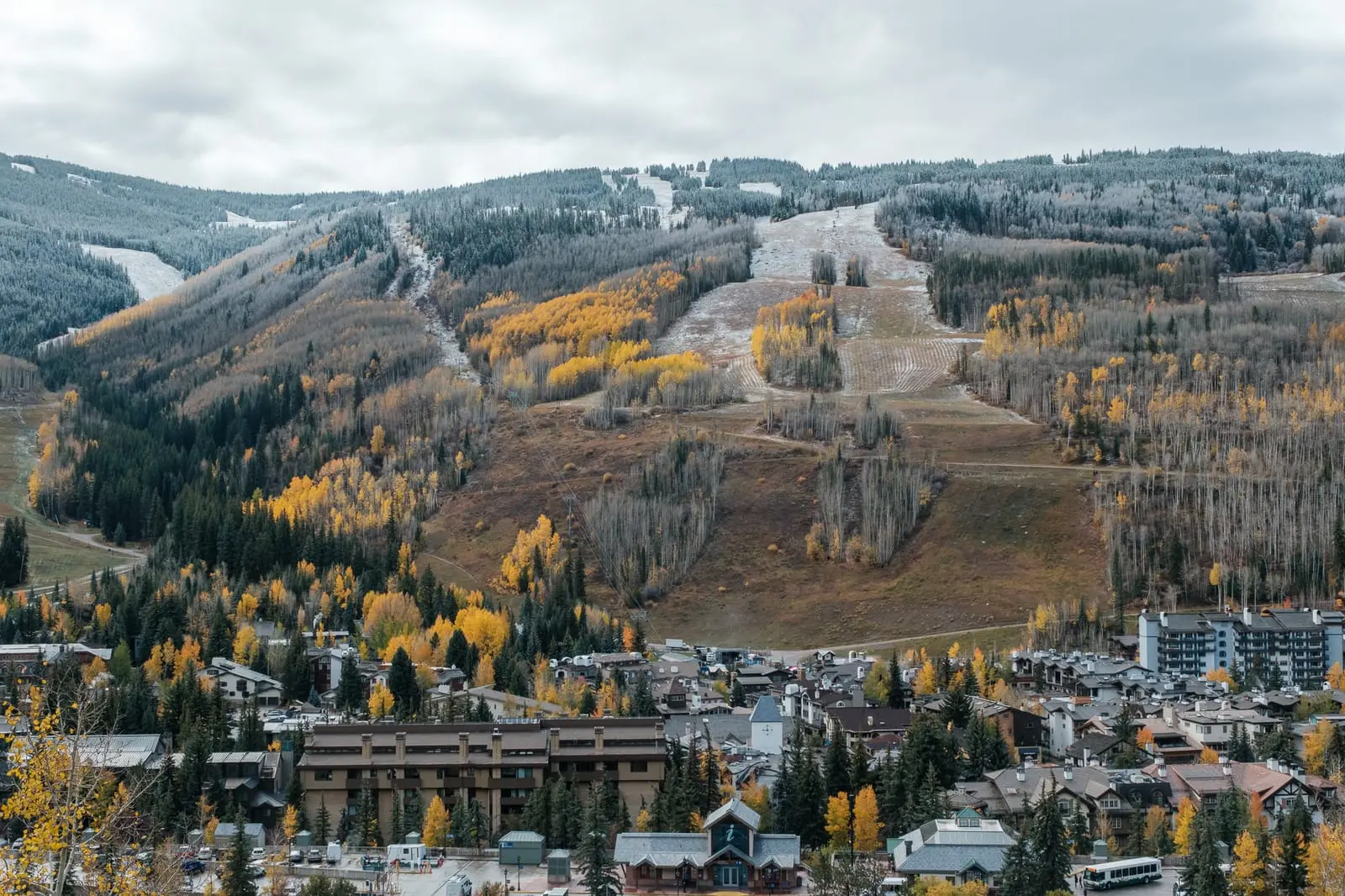
Vail Mountain is scheduled to open today, Beaver Creek follows on November 25, and Thanksgiving week is close behind. That means more traffic on I-70, the first real storms of the season, and plenty of visitors driving mountain roads for the first time this year.
Winter driving in the Vail Valley is manageable with the right preparation, and Colorado has specific rules about it. Here's what to know about the state's traction law, what's changing on Vail Pass, and how to get around the valley without driving at all.
Colorado's Traction Law: What It Requires
The Colorado Department of Transportation (CDOT) uses two levels of winter restrictions for passenger vehicles. Both can be enforced with fines on I-70 between Morrison and Dotsero from September 1 to May 31, and CDOT can put them in place on any state highway when conditions call for it. That stretch covers the entire drive from the Denver area through the Vail Valley.
The Passenger Vehicle Traction Law
During winter storms, or whenever conditions require, CDOT puts the traction law into effect. Under it, passenger vehicles must have tires with at least 3/16-inch of tread that are winter tires (marked with the mountain-snowflake symbol), all-weather rated, or mud and snow (M+S or M/S). Vehicles can also comply by carrying chains or an approved alternative traction device.
CDOT also "highly recommends driving an AWD or 4WD vehicle in the mountains whenever possible." All-wheel drive helps, but tires with adequate tread are what the law focuses on.
The Passenger Vehicle Chain Law
During severe storms, CDOT can put the chain law into effect. CDOT describes it as the final safety measure before a highway closes. Under the chain law, every vehicle must have chains or an approved alternative traction device, whatever its tires or drivetrain.
The Fines
According to CDOT, the penalty for not complying is a $100 fine plus a $33 surcharge. If a non-compliant vehicle causes a closure of one or more travel lanes, the penalty can rise to $500 plus a $157 surcharge.
| Traction Law | Chain Law | |
|---|---|---|
| When CDOT uses it | Winter storms or when conditions require | Severe storms; last step before a closure |
| What complies | 3/16" tread on winter, all-weather or M+S tires, or chains/approved traction device | Chains or an approved alternative traction device |
| How you'll know | Highway signs, COtrip.org and road condition alerts | Highway signs, COtrip.org and road condition alerts |
A quick tire check
The law's minimum is 3/16 of an inch of tread, which is deeper than many drivers expect. An inexpensive tread-depth gauge gives you an exact reading, and most tire shops will check it for you. If you're flying in and renting a car, look at the tires and their markings before leaving the lot.
What's New on Vail Pass
If you're driving from the Front Range, Vail Pass is the last big climb before the valley. It's been the site of a multi-year CDOT project, and this winter follows its final construction season.
The I-70 West Vail Pass Auxiliary Lanes project covers the 10 miles between the East Vail interchange (mile point 180) and the Vail Pass rest area (mile point 190). According to CDOT's April 2026 update, the project was on schedule for completion by the end of 2026. Improvements include:
- A new 2.7-mile eastbound climbing lane between mile points 187.3 and 190, which separates slow-moving trucks from passenger traffic on the approach to the top of the pass.
- Two new bridges near mile point 185.2, built with improved curve geometry.
- Avalanche and rockfall mitigation in the area known as The Narrows, around mile point 186. CDOT describes the system as the first of its kind in Colorado, and says it's designed to reduce the likelihood of extended interstate closures.
- Wildlife underpasses and fencing between mile points 185 and 190 to reduce wildlife-vehicle collisions.
CDOT's project page lists substantial completion for December 2026, so it's worth watching for any late-season work notices. You can sign up for project text alerts by texting vailpass to 21000.
Before You Drive: Practical Tips
- Check conditions before you leave. COtrip.org and the COtrip Planner app show road conditions, closures and whether the traction or chain law is active. You can also call 511.
- Plan around peak travel. Traffic on I-70 tends to build around holidays and weekends. Leaving early, or waiting out a storm, can save time and stress.
- Give plows room. Snowplows and maintenance crews work long hours during storms. Staying well back keeps everyone safer.
- Keep basics in the car. A scraper, a warm layer, water and a charged phone are worth having on any mountain drive.
- Watch for wildlife. Deer and elk are common near roadways in the valley, especially around dawn and dusk.
Getting Around the Valley Without a Car
Once you're here, you may not need to drive much. The Town of Vail runs in-town bus service, and Core Transit provides regional bus service connecting communities from Vail through Minturn, Eagle-Vail, Avon, Edwards, Eagle and Gypsum, with routes to Leadville.
A few points to keep in mind:
- Track Vail buses in real time. The Town of Vail's ride.vail.gov shows live arrivals and departures for its buses, so you can time your walk to the stop.
- Schedules change with the season. In past years, winter timetables have started in early December. Check Core Transit and the Town of Vail for current routes and times before you rely on a particular bus.
- Parking in Vail is paid during the winter season. The Town of Vail publishes its winter parking dates, rates and passes each fall on its parking page.
- Lodging shuttles can simplify things. Many hotels and condominium complexes offer shuttles to the lifts or villages. It's worth asking when you book.
The Local Angle: Access Matters in Winter
For anyone thinking about a home in the Vail Valley, winter access is one of the most practical things to evaluate, and one of the easiest to overlook on a summer visit.
A few questions worth asking:
- How steep is the driveway, and which way does it face? South-facing driveways tend to melt off faster. Some homes have heated driveways or snowmelt systems, which add convenience along with operating costs.
- Who handles snow removal? In many HOAs it's included. For single-family homes it's often a separate contract.
- How close is the nearest bus stop? Being near a reliable bus route can make a meaningful difference in daily life, especially in places like Vail, Avon and Edwards.
- Is there garage or covered parking? Off-street parking is valuable in a ski town, especially during storms and peak weekends.
The valley's communities differ in these practical details as much as in views or amenities. You can compare areas on my explore neighborhoods page.
Drive Prepared, Then Enjoy the Season
A little preparation makes winter driving in the Vail Valley far less stressful. Check your tires, know the difference between the traction law and the chain law, check COtrip before you go, and consider leaving the car parked once you arrive.
If you're thinking about a move to the valley or a second home here and want to understand how different communities work in winter, I'm happy to help you compare options. Reach out anytime.
Traction law requirements and fines are as published by CDOT as of November 13, 2026. Rules can change, so check codot.gov or call 511 before you travel.