Winterizing a Mountain Home: A Vail Valley Owner's Guide to Snow, Ice Dams and Frozen Pipes
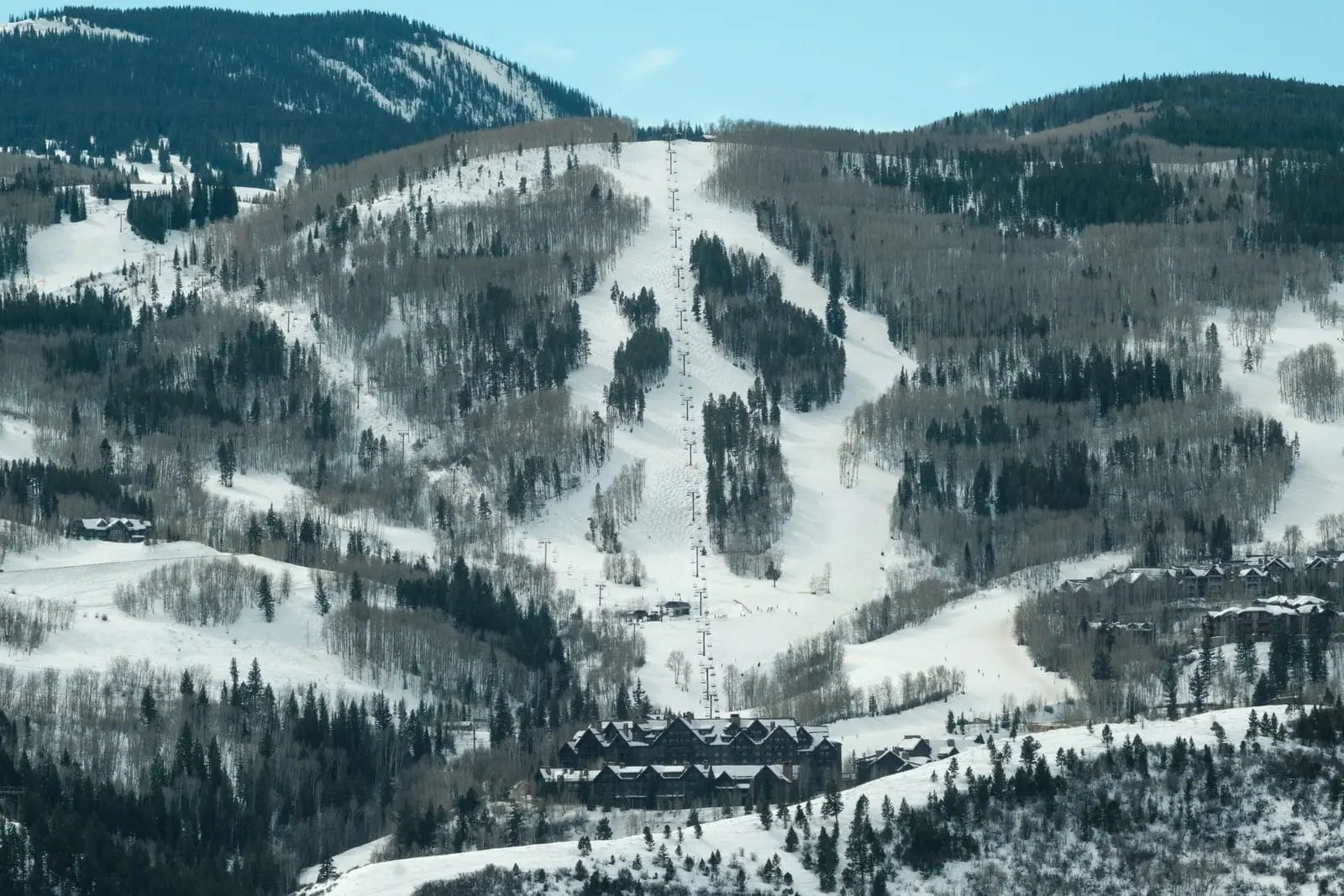
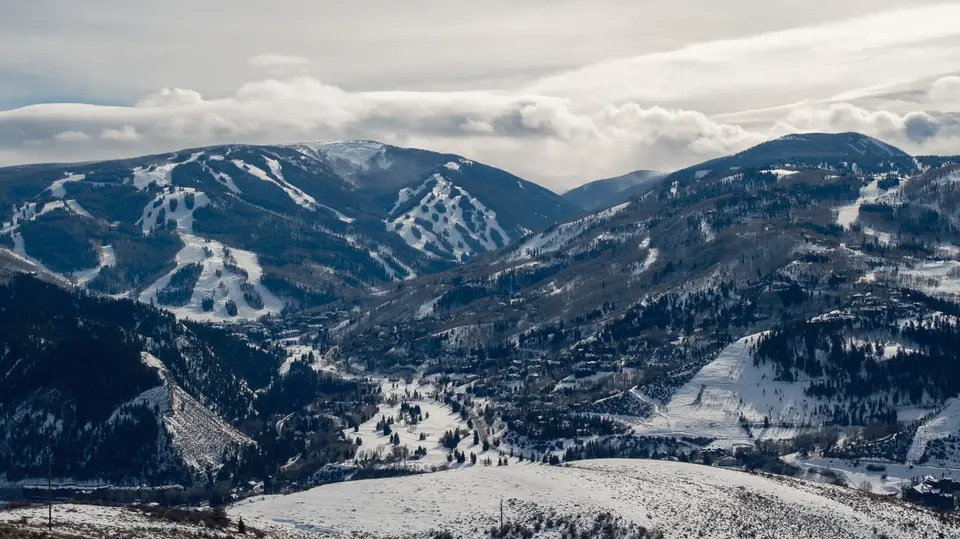
Vail Mountain opened for the 2026-27 season on Friday, and Beaver Creek follows on November 25. For homeowners, the start of ski season is also a reminder that winter is the hardest season on a mountain property.
Heavy snow, deep cold and long stretches when a second home sits empty can turn small issues into expensive repairs. Winterizing a mountain home doesn't have to be complicated, but it does take a plan. This guide covers the main risks, what to do about each, and what buyers and sellers should look for during the winter months.
Why Winter Ownership Is Different Here
If you own a second home here, it may sit empty for weeks at a time during the coldest part of the year. A furnace failure, a frozen pipe or an ice dam can go unnoticed far longer than it would in a primary residence. That's why the most useful winter steps are the ones that either prevent problems or tell you about them quickly.
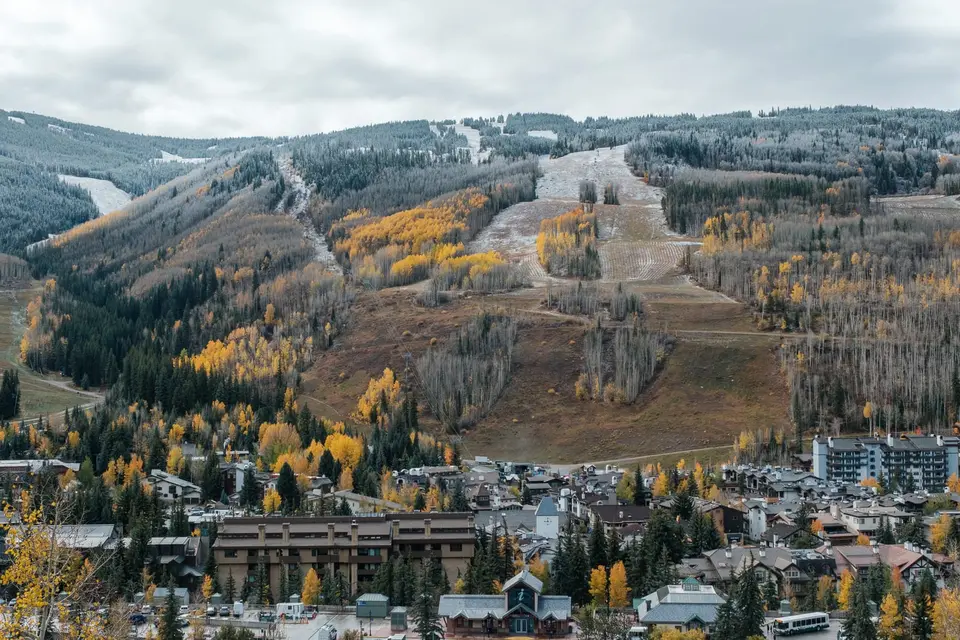
Elevation matters too. The valley runs from roughly 6,300 feet near Gypsum to over 8,000 feet in parts of Vail and Beaver Creek. Snowfall, temperatures and the demands on a home can vary meaningfully from one community to the next.
1. Snow on the Roof and Deck
Roofs in the Vail Valley are built for heavy snow, but they're designed for specific loads. In unincorporated Eagle County, the county's Building Division FAQ says design snow loads for roofs and decks are determined by the 2016 Colorado Design Snow Loads published by the Structural Engineers Association of Colorado. Where ASCE-7 standards also apply, the county requires whichever loads are more restrictive. Incorporated towns such as Vail, Avon and Eagle administer their own building codes.
What that means for owners:
- Know who handles snow removal. In many condominium and townhome associations, roof and common-area snow removal is handled by the HOA. For single-family homes, it's usually the owner's responsibility, often through a seasonal contract.
- Don't forget decks. Decks carry design loads too, and heavy, wet spring snow can pile up quickly on a deck that no one is using.
- Use professionals for roof snow. Removing snow from a steep or high roof is dangerous. A licensed, insured contractor is the safer choice.
2. Ice Dams
Ice dams are one of the most common winter roof problems in snowy climates. The Insurance Institute for Business & Home Safety (IBHS) explains how they form. Heat from the house rises into the attic and warms the roof, snow on the roof melts, and the water runs down to the colder eaves, where it refreezes. Over time, the ice builds into a dam that can force water under roof coverings and into the attic or walls.
According to IBHS, the long-term fixes are:
- Proper attic ventilation
- More attic insulation
- Sealed ceiling openings, so warm air can't rise into the attic
For more immediate steps, IBHS suggests removing roof snow from the ground with a snow rake (ideally one with wheels) or hiring a licensed, insured professional. It also recommends professionally installed heating cables on eaves, gutters and downspouts that are UL Listed, FM Approved or CSA Certified. IBHS notes these cables won't remove an existing ice dam, but they create channels that let water drain safely.
Heat tape is common on mountain homes. If your home has it, make sure it's working before the first big storm, not after.
3. Frozen Pipes
A burst pipe in an empty home can cause extensive damage before anyone notices. The American Red Cross recommends:
- If you're away during cold weather, leave the heat on at no lower than 55°F.
- Keep the thermostat at the same temperature day and night.
- Insulate pipes in unheated areas like crawl spaces, attics and garages, and pipes along poorly insulated exterior walls.
- Keep garage doors closed if water supply lines run through the garage.
- Open kitchen and bathroom cabinet doors during very cold weather so warm air reaches the plumbing.
Mountain homes often have features worth extra attention, such as crawl spaces, plumbing in exterior walls, and boilers or radiant heat systems. A seasonal service visit before the holidays is a smart investment.
4. Remote Monitoring for Second-Home Owners
When you're not in town, the goal is simple: find out about a problem before it becomes a disaster. Common tools include:
| Tool | What it does |
|---|---|
| Smart thermostat | Lets you check and adjust heat remotely and sends alerts if the temperature drops |
| Water leak sensors | Alert you to water near water heaters, washers, sinks and boilers |
| Automatic water shutoff valve | Can shut off the main supply when a leak is detected |
| Low-temperature and power alerts | Notify you if the heat or power goes out |
Technology works best alongside a person. A home watch service or a trusted local contact who can check the property regularly, especially after storms or cold snaps, adds a layer of protection that sensors can't. Some HOAs have their own requirements for unoccupied units, so check your association's rules.
Talk to your insurance agent
Homeowners policies vary, and some include provisions related to vacancy, unoccupied periods or maintaining heat. Before the coldest months arrive, ask your agent how your policy treats a home that sits empty for extended periods, and what's expected of you to keep coverage in place. If you rent your property, ask how that affects coverage as well.
5. Driveways, Access and Utilities
- Snowplow contracts: Lock in driveway plowing early. Contractors' schedules fill up once the season starts.
- Snowmelt systems: Heated driveways and walkways are convenient but use energy. Know how yours is controlled and what it costs to run.
- Fuel: If your home uses propane, keep an eye on tank levels and delivery schedules before the holidays.
- Access for others: Make sure your home watch service, property manager or contractor can get in when needed.
What Buyers Should Look For in Winter
Winter is a revealing time to tour a mountain home. If you're buying in the Vail Valley, consider:
- Ask about the home's winter history. Has it had ice dams, frozen pipes or roof leaks? How were they fixed?
- Look at the roof and eaves. Large icicles or ice buildup along the eaves can be a sign of heat loss into the attic.
- Understand the systems. Ask about heat tape, the boiler or furnace, snowmelt, and recent service records.
- Clarify snow removal. Find out who handles roofs, decks and driveways, and what it costs. In HOAs, review what dues cover.
- Use qualified inspectors. A home inspector experienced with mountain properties, and a roofer if needed, can help you assess winter performance.
Buyers comparing properties across the valley can find a starting point on my buyer resources page.
What Sellers Should Know
If your home is on the market this winter, its condition in the snow matters:
- Keep driveways, walkways and entries clear and safe for showings.
- Keep the heat at a comfortable level, even if the home is unoccupied.
- Address visible ice dams or roof snow before photos and showings.
- Have service records ready for heating systems, heat tape and snowmelt. These answer common buyer questions.
For more on preparing to sell, see my seller resources.
Plan Now, Enjoy the Season
A Vail Valley home in winter is one of the great pleasures of mountain living. A little planning before the deep cold arrives goes a long way: a service visit, working heat tape, a snow removal plan and a way to monitor the home when you're away.
If you're considering buying or selling a home in the Vail Valley and want a local perspective on the ownership details that matter, reach out anytime.
This article is general information, not engineering, insurance or legal advice. Consult qualified contractors, your insurer and your HOA for guidance specific to your property.